Author: Rachel Lambert
-

Getting real about the challenges of differentiation
I thoroughly enjoyed reading this post by Anna Blinstein (@ablinstein) about a challenging class she is teaching. I love a post that begins with a real challenge, a problem that needs to be solved. She writes about a high school class that includes multiple grades, skill levels, and previous experiences with…
-
Rehumanizing mathematics for students with disabilities- a special issue on critical perspectives on disability and mathematics
A couple of years ago, James Sheldon and Kai Rand started a Working Group at the Psychology of Mathematics Education North America conference. This group, now called Critical Perspectives on Disability and Mathematics, is made up of mathematics education scholars who work at the intersections of disability and equity. We…
-
Research Breakdown: “Indefensible, Illogical, and Unsupported”; Countering Deficit Mythologies about the Potential of Students with Learning Disabilities in Mathematics
For over two years, I have had a word document on my computer entitled, “Myths in Teaching Mathematics for SwD.” I kept adding bits of writing, particularly when I encountered another myth. Imagine my excitement when Jo Boaler sent out a call for a special issue of Education Sciences on…
-
Resources for teachers on math and disability from a strengths-based perspective
After I made the list of academic papers, I realized I should do something similar for writings that are aimed at teachers that take a non-traditional point of view on disability and teaching mathematics. Updated May 2018. Please comment if you have items to add! Behrend, J. L. (2003). Learning-disabled…
-
Resources: Articles with Critical Approaches to Mathematics and Disability
I created this list based on a request for a Ph.D. reading list for a student interested in critical and Disability Studies approaches to mathematics education. Figured I should share with more, as there are so many wonderful resources on this list. Updated May 2018. Please comment if you have…
-
Paraprofessionals and Mathematics!
One of the most important agents of change in special education is paraprofessionals. These dedicated professionals are often the mediators between classroom teachers and our students with disabilities. They help create access for the child to the curriculum. Unfortunately, paraprofessionals are almost never given planning time with teachers, and are…
-
Project based learning, science, maker spaces and dyslexia
This post below presents the story of a student with dyslexia who fell in love with science through an inquiry-based classroom. I love how the writer highlights how his teacher’s relationship was the core support for learning. When a teacher is attuned to students, anything is possible, and students (like…
-
Counting Collections and Inclusion
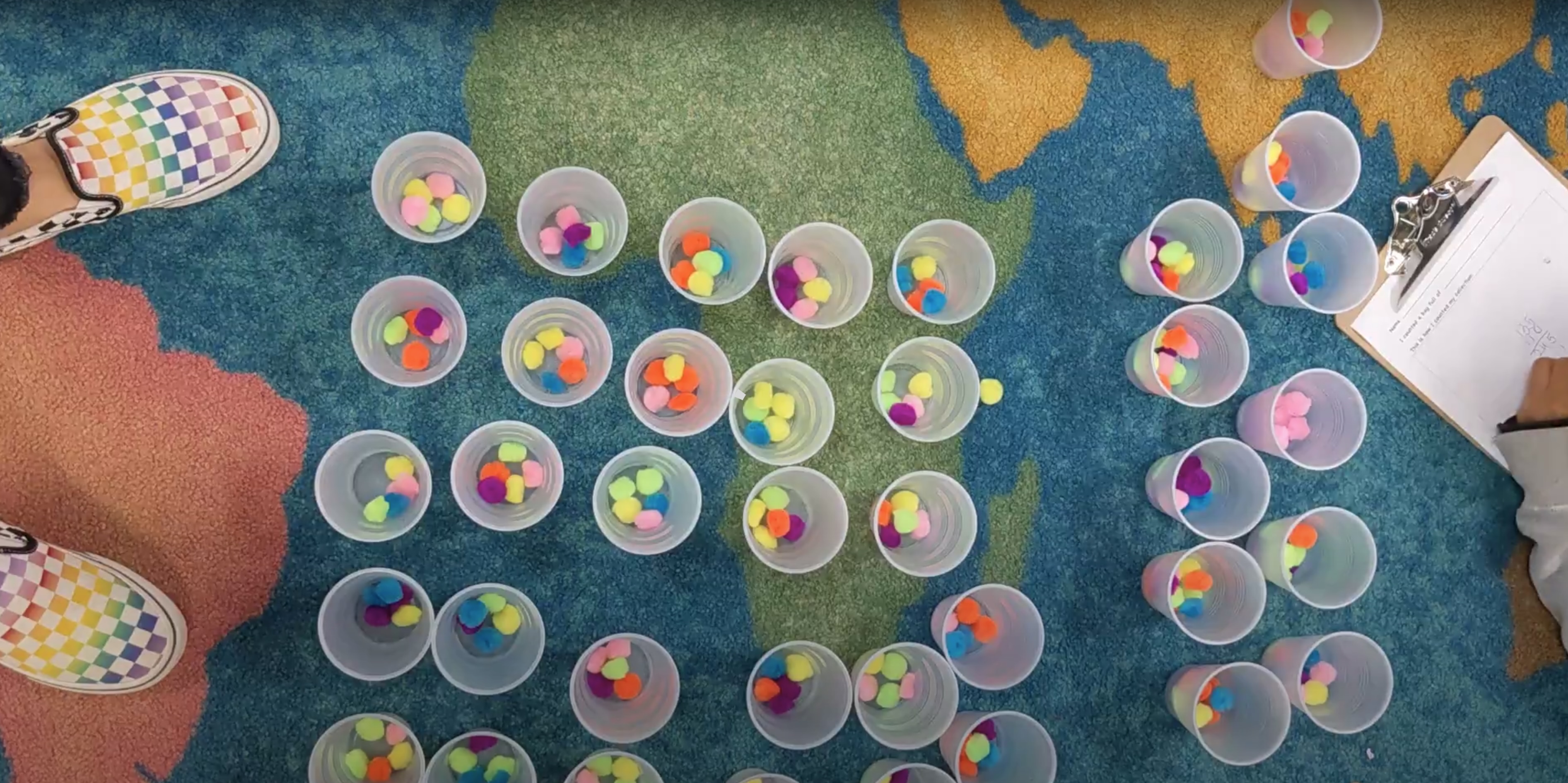
I love Counting Collections. As a classroom teacher, I would always have my students count everything in the classroom, differentiating based on what number set they needed. We would work on representing numbers, and we would use charts to represent groups of ten, pushing understanding of place value. We didn’t…
-

Our Kids Are Not Swiss Cheese!
This blog post was co-written by Andrew Gael and myself, and available on both our blogs. A couple of years ago, Andrew Gael and myself were talking about how students in special education are conceptualized. We were sick of hearing about the “gaps” and the “holes” in our student’s learning.…
-

Developing Meaningful Goals for IEPs in Mathematics, Part II
So excited to discuss a new article from my colleague Paulo Tan, who is a professor at the University of Tulsa and studies mathematics education from a critical disability studies perspective. His new article describes his personal experience advocating for his son in Individual Education Plan [IEP] meetings, which are…
 mathematizing4all